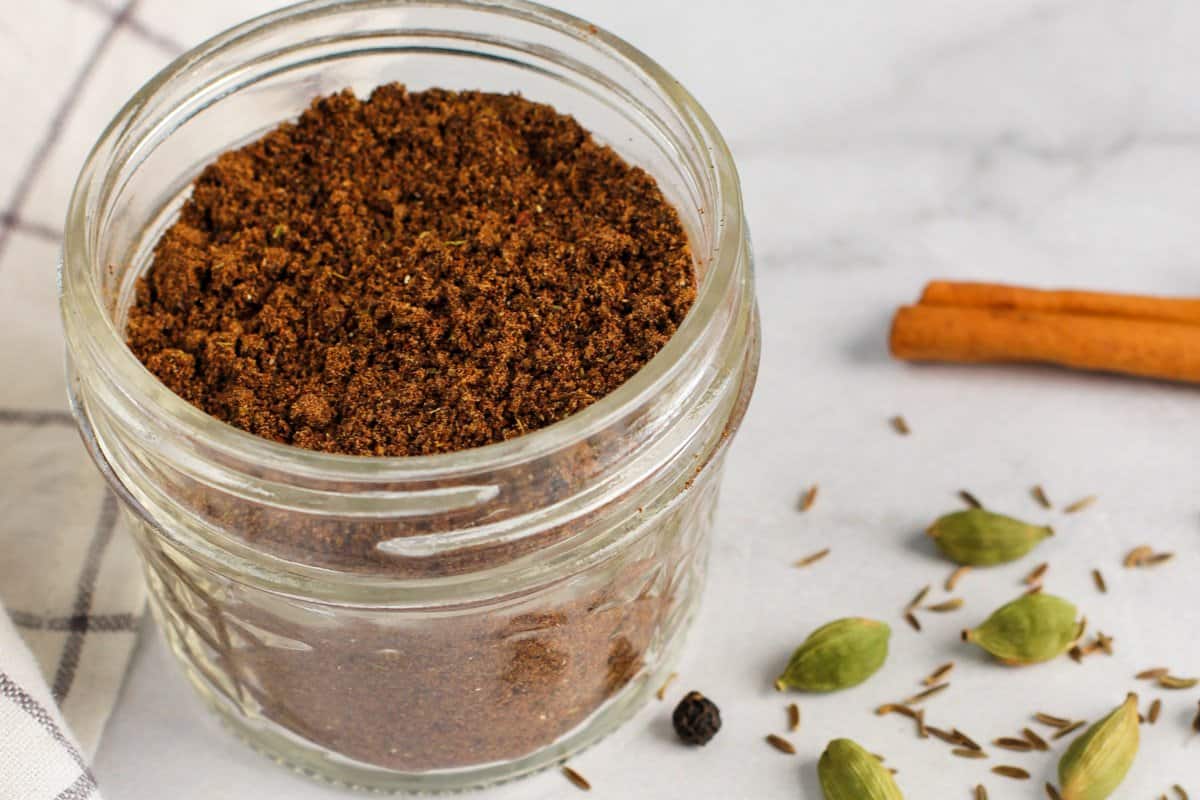
Unlock the Secret to Authentic Indian Cuisine: Master 10-Minute Garam Masala at Home
Are you ready to infuse your home cooking with the rich, aromatic soul of India? For too long, many of us have relied on generic, often stale, store-bought spice blends that simply don't do justice to the vibrant complexity of Indian flavors. But what if we told you that the secret to truly authentic, deeply aromatic dishes lies just 10 minutes away, right in your own kitchen? Discover
how to make garam masala spice from scratch, transforming everyday meals into culinary masterpieces. This simplified, yet incredibly potent, homemade Garam Masala recipe with just five essential whole spices promises to elevate your Indian cooking to a whole new level of taste and freshness.
Unraveling the Essence of Garam Masala: More Than Just a Spice Mix
At its heart, "Garam Masala" translates literally to "warm spice mix." This isn't just a name; it's a testament to its primary role in Indian cuisine: to imbue dishes with a profound sense of warmth, depth, and an enchanting aroma that beckons you to the dinner table. It's the quintessential Indian spice blend, perfectly complementing the heat of chilies to create a symphony of flavors.
In a country as diverse as India, culinary traditions vary dramatically from region to region, and indeed, from family to family. Historically, homemade garam masala recipes could be incredibly intricate, involving upwards of twenty different whole spices, meticulously cleaned, roasted, and ground – a yearly ritual for many Indian households. While these elaborate blends are undeniably authentic, they can be daunting for the home cook. The beauty of this 10-minute recipe lies in its simplicity. Inspired by generations of culinary wisdom, it distills the essence of traditional garam masala into a powerful blend of just five easily accessible whole spices, delivering a remarkably similar, authentic flavor profile without the extensive preparation.
Why Homemade Garam Masala Reigns Supreme: Freshness, Flavor, and Fulfillment
Once you experience the unparalleled aroma and taste of freshly ground garam masala, you'll find store-bought versions pale in comparison. The difference is stark, touching every aspect from quality and freshness to the sheer intensity of flavor. Just one teaspoon of a homemade blend can inject more vibrancy and character into your dishes than several teaspoons of its pre-packaged counterpart.
Making your own garam masala ensures you're using the freshest, highest-quality ingredients, free from the fillers, preservatives, or anti-caking agents often found in commercial blends. This not only results in superior taste but also gives you complete control over what goes into your food. The essential oils in whole spices are volatile; they start to degrade the moment they are ground. By making your own blend just before you need it (or in small, fresh batches), you unlock their full aromatic potential, allowing them to truly sing in your cooking. This commitment to freshness is precisely why
Homemade Garam Masala is Superior, offering an authentic taste that will make your Indian dishes truly shine.
Your 5 Essential Whole Spices for Authentic Garam Masala
The magic of this simplified garam masala lies in the careful selection of five potent whole spices, each playing a crucial role in creating a balanced and deeply aromatic blend. Sourcing these spices whole is key, as their essential oils are best preserved until they are freshly ground.
Black Peppercorns (Kali Mirch)
These small, wrinkled berries, native to Southern India, are much more than just a seasoning. Harvested when unripe and then dried, black peppercorns impart an intense, piquant aroma, significant depth, and a foundational heat to the spice blend. They are the backbone, providing a stimulating warmth that is central to Garam Masala.
Green Cardamom Pods (Elaichi)
Considered the "Queen of Spices," green cardamom offers a distinctively sweet, floral, and highly aromatic profile. It's an indispensable spice in both savory curries and fragrant pulaos. For this recipe, we utilize the whole pods, as roasting and grinding them intact releases a broader spectrum of flavors from both the seeds and the husks, while also saving time.
Cinnamon (Dalchini)
In Indian cooking, the traditional "cinnamon" used is often Cassia bark, which is thicker, coarser, and possesses a more robust, earthy flavor compared to the milder, sweeter Ceylon cinnamon sticks commonly found. It contributes a warm, woody sweetness that grounds the blend and pairs beautifully with both meats and vegetable curries. While traditionalists might seek out Cassia bark, common cinnamon sticks found in most grocery stores make an excellent and accessible substitute.
Cloves (Laung)
These small, nail-shaped flower buds, harvested from the evergreen clove tree, pack a powerful aromatic punch. Cloves lend a unique flavor that is simultaneously sweet, pungent, and slightly bitter. Their intense aroma provides a distinctive character to the garam masala, complementing the other spices without overpowering them.
Black Cumin Seeds (Shah Jeera)
Shah Jeera, or black cumin seeds, offers a delicate, almost anise-like flavor that is milder and sweeter than regular cumin seeds. They are distinct from nigella seeds (kalonji) or caraway seeds, possessing a subtle smokiness and earthy depth. Shah jeera is particularly valued for its unique contribution to Mughlai dishes. If true shah jeera is hard to come by, regular cumin seeds can be used as a substitute, though the flavor profile will be slightly different. For a deeper dive into these ingredients and the recipe itself, explore
Homemade Garam Masala: Easy 5-Spice Recipe for Authentic Flavor.
Crafting Your Garam Masala: The 10-Minute Process
The magic of this recipe lies not just in the ingredients, but in the simple, quick process of awakening their dormant flavors. Making your own Garam Masala is a straightforward affair, requiring just a few minutes of your time.
Step 1: The Art of Light Roasting
The crucial first step is to gently roast each spice. This process is transformative; it warms the spices, releases their volatile essential oils, deepens their flavors, and makes them easier to grind into a fine powder.
- Take a small, dry pan and place it over low to medium heat.
- Add each spice individually (or in batches if you're making a larger quantity).
- Stir frequently for about one minute, or until the spices become fragrant and slightly warm to the touch. The goal is a gentle toast, not a burn, so keep a close eye on them. Over-roasting will lead to a bitter taste.
Step 2: Cooling Down for Optimal Grinding
Once roasted, immediately transfer the hot spices to a clean plate or tray and spread them out in a single layer. Allowing them to cool completely is essential. Grinding warm spices can release moisture, leading to clumping and a less fine powder, and can also make your spice grinder work harder. Patience here ensures the best texture and longevity for your blend.
Step 3: Grinding to Perfection
Once the spices are thoroughly cooled, it’s time to grind them into a fine powder.
- Transfer the roasted and cooled spices to a clean spice grinder or a dedicated coffee grinder (using a coffee grinder for spices will make your coffee taste like curry, so a dedicated one is best!).
- Pulse the spices in short bursts. This technique prevents the grinder from overheating, which can compromise the flavor of the spices.
- Continue pulsing until you achieve a very fine, consistent powder.
Step 4: Storage for Lasting Freshness
To preserve the potent aroma and flavor of your freshly made garam masala, proper storage is vital. Transfer the powdered spice blend into an airtight glass jar immediately after grinding. Store it in a cool, dark pantry away from direct sunlight and heat. When stored correctly, your homemade garam masala will retain its peak freshness and potency for up to 3-4 weeks, though many find it lasts well for several months.
Unleashing the Magic: How to Use Your Fresh Garam Masala
With your fresh, vibrant garam masala ready, you're equipped to transform a myriad of dishes. Its versatility is incredible!
*
Curries and Stews: Add it towards the end of the cooking process, typically in the last 5-10 minutes, to preserve its delicate aromatics. This allows its flavors to bloom without being cooked away.
*
Lentils (Dals): A sprinkle over a simple dal can elevate it from humble to extraordinary.
*
Vegetable Dishes: Incorporate it into sautéed vegetables or stir-fries for an instant flavor boost.
*
Marinades: Mix it into yogurt or oil-based marinades for chicken, lamb, or paneer to infuse deep Indian flavors.
*
Soups and Broths: A pinch can add an unexpected layer of warmth and complexity.
Remember, homemade garam masala is potent. Start with a small amount (e.g., ½ teaspoon) and adjust to your taste preferences.
Embrace the Authentic Flavor Journey
Embarking on the journey of
how to make garam masala spice at home is more than just a culinary task; it's an invitation to experience the true essence of Indian cooking. In just 10 minutes, with five basic whole spices, you can unlock a world of authentic flavors that will transform your kitchen and delight your palate. Say goodbye to mediocre store-bought blends and hello to fresh, vibrant, and deeply aromatic dishes that truly sing. Try this recipe today, and prepare to be amazed by the depth and warmth you can bring to your homemade Indian cuisine.