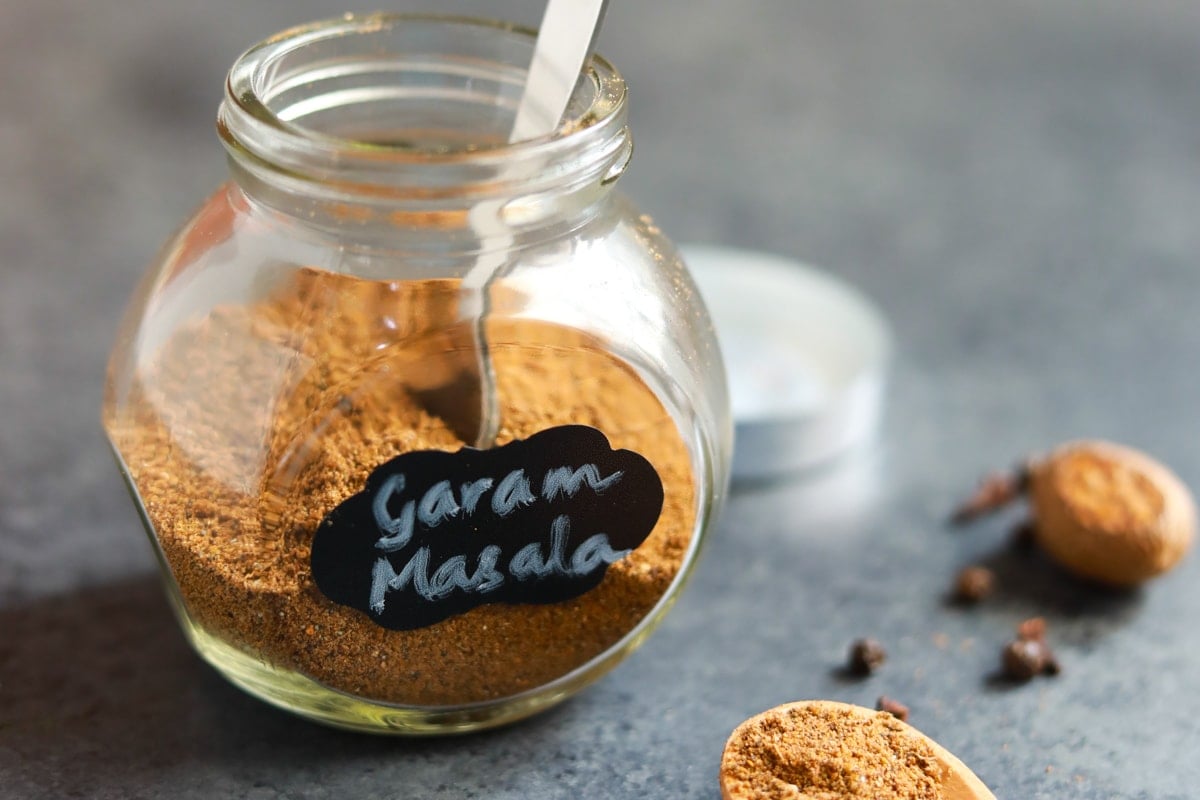
Unlock the secret to truly authentic Indian cuisine right in your own kitchen with a simple, homemade garam masala. Often considered the heart of Indian cooking, this aromatic spice blend is a game-changer, transforming ordinary dishes into extraordinary culinary experiences. Forget the dusty, bland store-bought versions; learning how to make garam masala spice yourself is incredibly easy and surprisingly quick, promising an unparalleled depth of flavor and fragrance that will elevate your cooking to new heights. We're talking about a quick, five-spice recipe that guarantees authentic results in under 10 minutes.
What is Garam Masala? More Than Just "Warm Spice"
The term "Garam Masala" literally translates from Hindi to "warm spice mix," a fitting name for a blend that imparts both a comforting heat and a profound aromatic complexity to dishes. It's the quintessential Indian spice blend, central to countless regional cuisines across India. While it doesn't necessarily mean "hot" in terms of chili heat, it refers to the warmth it adds to the body and the dish's overall profile. Garam masala provides a foundational layer of flavor, perfectly complementing the zest of red or green chilies and other spices, resulting in a rich, hearty, and incredibly aromatic taste experience.
What makes garam masala so fascinating is its incredible diversity. There isn't a single, definitive recipe. Instead, every region, and indeed almost every family, in India boasts its unique rendition of homemade garam masala. Some family recipes, passed down through generations, might call for an intricate blend of twenty or more whole, freshly roasted spices. These elaborate preparations often involve yearly rituals of sourcing the finest spices, meticulously cleaning, roasting, and grinding them, before carefully storing them in beautiful glass jars – a true labor of love that speaks volumes about its importance in Indian culinary heritage.
However, for those seeking that authentic flavor without the extensive time commitment, a simplified version exists that still delivers incredible results. This article focuses on an easy yet powerful five-spice blend that captures the essence of traditional garam masala, making it accessible for any home cook eager to infuse their dishes with genuine Indian flavors.
Why Homemade Garam Masala Reigns Supreme
Once you experience the vibrant aroma and nuanced taste of freshly made garam masala, there’s truly no going back to the store-bought alternatives. The difference in terms of taste, quality, and freshness is monumental. A mere teaspoon of homemade garam masala can revolutionize your dishes, imparting a level of depth and authenticity that pre-ground, mass-produced blends simply cannot match. This is precisely why elevating your cooking with homemade garam masala is superior.
- Unmatched Flavor and Aroma: Store-bought spices lose their volatile oils and, consequently, their potency much faster once ground. Freshly roasted and ground whole spices release a complex bouquet of aromas and flavors that are simply unparalleled.
- Superior Quality and Purity: When you make your own, you control the ingredients. You select whole, high-quality spices, ensuring no fillers, anti-caking agents, or artificial colors are added.
- Customization: While we're focusing on an easy 5-spice blend, understanding the basics allows you to eventually tweak the ratios or add other spices to suit your personal preferences, creating a truly unique blend.
- Fresher & More Potent: The act of light roasting awakens the spices, intensifying their natural oils and making them easier to grind. This freshness translates directly into more impactful flavor in your food. Just 10 minutes from your pantry to a potent, aromatic blend!
The Quintessential 5 Spices for Your Easy Garam Masala
To craft an authentic-tasting garam masala in minutes, we'll focus on five core whole spices that provide a robust flavor profile. These are generally easy to find in most well-stocked grocery stores or Indian specialty stores.
1. Black Peppercorns (Kali Mirch)
These small, dark spheres are the dried berries of a climbing vine, native to southern India. Black peppercorns are a cornerstone of many Indian spice blends, imparting an intense aroma, a stimulating depth, and a foundational heat to foods. They contribute a pungent and woody note that is essential for a balanced garam masala.
2. Green Cardamom Pods (Elaichi)
Known as the "queen of spices," green cardamom pods are distinctively sweet, floral, and highly aromatic. They are absolutely critical for adding a bright, fragrant dimension to curries, rice dishes like pulao, and, of course, garam masala. Roasting and grinding the whole pods, rather than just the seeds, not only saves time but also adds a subtle, intriguing green note from the husk.
3. Cinnamon (Dalchini/Cassia Bark)
In Indian cooking, the traditional cinnamon used is often Cassia bark, which is similar to, but distinct from, Ceylon cinnamon sticks. It provides earthy, warm, and slightly sweet notes, deepening the overall flavor of meats and curries. If true Cassia bark is hard to find, regular cinnamon sticks (especially the robust Cinnamomum cassia variety common in North America) can be an excellent substitute, contributing that essential woody warmth to your spice blend.
4. Cloves (Laung)
These small, nail-shaped spice buds are harvested from the evergreen clove tree. Cloves lend a powerful, slightly sweet, yet pungent and almost medicinal aroma to Indian cuisine. They are highly aromatic and should be used sparingly, as their flavor can quickly dominate. In garam masala, they add a distinctive warm and spicy-sweet undertone.
5. Black Cumin Seeds (Shah Jeera)
Often confused with regular cumin seeds, nigella seeds, or even caraway seeds, black cumin seeds (Shah Jeera) have a unique character. They are milder than common cumin, with an elegant, smoky, and slightly anise-like, earthy taste. Their flavor is more subtle and refined. If you cannot find Shah Jeera, regular cumin seeds can be substituted, though they will impart a more robust, earthy flavor profile.
Step-by-Step Guide: How to Make Garam Masala Spice at Home
Making your own garam masala is surprisingly straightforward and incredibly rewarding. This 5-spice version can be ready in under 10-15 minutes, promising to instantly elevate your Indian dishes. For an even quicker guide, check out our Unlock Authentic Indian Flavors: 10-Minute Garam Masala Recipe.
What You'll Need:
- A small, heavy-bottomed pan or skillet
- A spice grinder or a powerful coffee grinder (dedicated to spices)
- An airtight container for storage
Ingredients (Approximate Ratios for a Small Batch):
- 2 tablespoons Black Peppercorns
- 1 tablespoon Green Cardamom Pods
- 1 (2-inch) stick Cinnamon (or equivalent Cassia Bark)
- 1 teaspoon Whole Cloves
- 1 tablespoon Black Cumin Seeds (Shah Jeera), or regular Cumin Seeds
Instructions:
- Gather and Measure: Have all your whole spices measured out and ready.
- Lightly Toast the Spices: Place your small, dry pan over low to medium heat. Add all the spices to the pan. Toast them gently, stirring frequently, for about 1-2 minutes. The goal is not to brown or burn them, but to gently heat them until they become fragrant and slightly warm to the touch. This process awakens their essential oils and makes them easier to grind. You'll notice a significant shift in aroma as they toast.
- Cool Completely: Immediately transfer the toasted spices from the hot pan onto a plate or tray to cool down completely. This prevents them from continuing to cook and ensures optimal flavor retention.
- Grind to a Fine Powder: Once the spices are completely cool, transfer them to your spice grinder. Grind them into a very fine, uniform powder. The finer the grind, the better the masala will blend into your dishes.
- Store Properly: Transfer the freshly ground garam masala to a clean, airtight glass jar or container. Store it in a cool, dark place, away from direct sunlight and heat.
Tips for Maximizing Flavor and Longevity
- Always Use Whole Spices: The magic of homemade garam masala lies in using whole spices. They retain their volatile oils much better than pre-ground spices.
- Don't Over-Roast: Over-toasting can burn the spices, leading to a bitter taste. A gentle warmth and fragrant aroma are your cues.
- Grind Finely: A fine powder integrates seamlessly into gravies and curries, providing a smooth texture and even distribution of flavor.
- Store Airtight: Air, light, and heat are the enemies of spice freshness. An airtight container, preferably glass, in a cool, dark pantry will prolong its potency.
- Make in Small Batches: While tempting to make a large quantity, garam masala is best used fresh. Make smaller batches that you can consume within 1-2 months for optimal flavor. You'll find yourself making it so often, it becomes second nature!
- When to Add to Dishes: Garam masala is typically added towards the end of the cooking process in many Indian dishes. This allows its delicate aromas and flavors to shine without being cooked away.
Conclusion
Embarking on the journey of making your own garam masala is a rewarding step towards truly authentic and flavorful Indian cooking. This easy 5-spice recipe proves that you don't need a pantry full of exotic ingredients or hours of preparation to achieve a rich, aromatic blend that far surpasses any store-bought alternative. By taking just a few minutes to toast and grind these basic whole spices, you're not just making a spice blend; you're unlocking a new dimension of flavor that will transform your curries, dals, and vegetable dishes. Give it a try – your taste buds will thank you!
