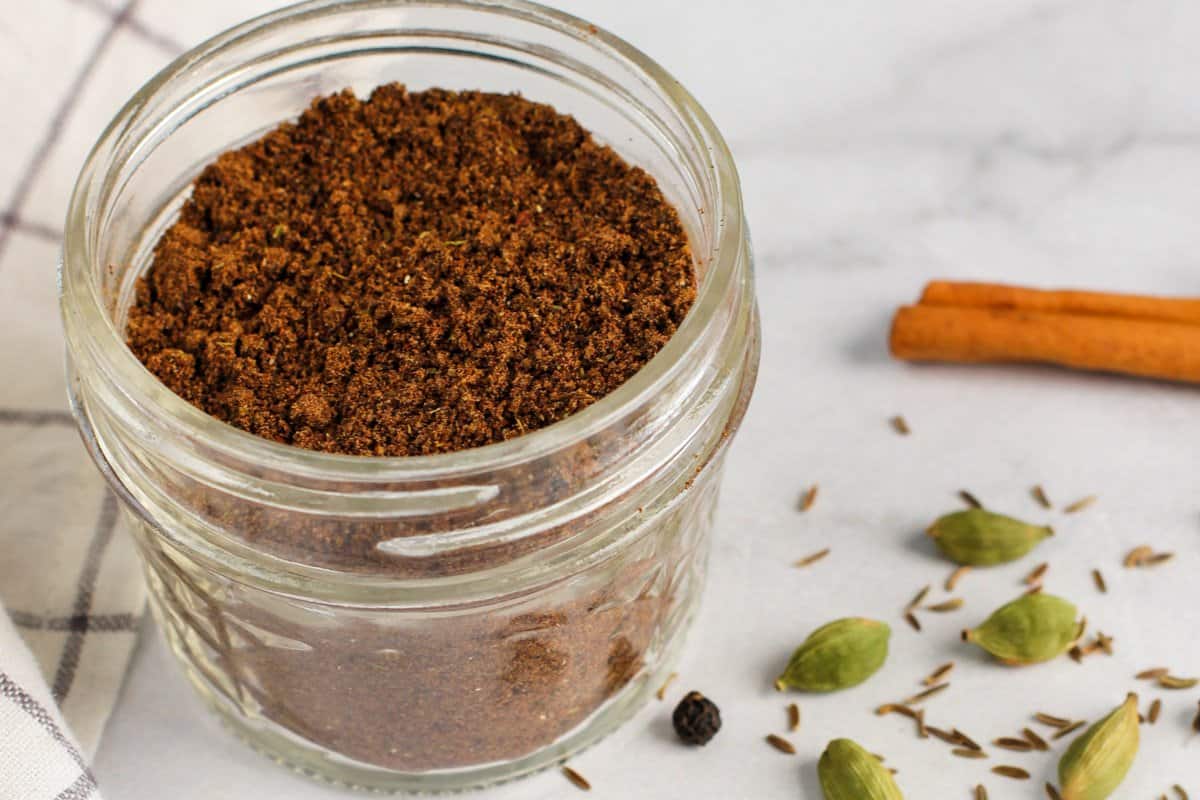
Elevate Your Cooking: Why Homemade Garam Masala is Superior
In the vibrant tapestry of Indian cuisine, few ingredients are as universally revered or as essential as Garam Masala. Literally translating to "warm spice mix," this quintessential blend isn't just about heat; it's about imbuing dishes with an unparalleled depth, rich warmth, and an intoxicating aroma that defines authentic Indian flavors. While readily available in supermarkets, the true magic unfolds when you discover how to make garam masala spice at home. The difference between a store-bought powder and a freshly ground, homemade blend is nothing short of transformative, promising to elevate your culinary creations to new, extraordinary heights.
For centuries, the art of crafting Garam Masala has been a cherished tradition passed down through generations. Every region, and indeed every family across India, boasts its own unique rendition, a testament to the blend's adaptability and profound cultural significance. From complex recipes featuring twenty whole roasted spices to simpler, equally authentic versions, the underlying principle remains the same: freshly prepared spices yield superior results. This article will delve into why making your own Garam Masala is a game-changer and guide you through the surprisingly simple process.
The Unrivaled Flavor & Freshness of Homemade Garam Masala
The moment you compare homemade garam masala to its store-bought counterpart, the distinction is immediate and profound. It's akin to comparing freshly brewed coffee with instant granules – both are coffee, but one offers an experience far richer and more nuanced. The superiority of homemade Garam Masala boils down to three critical factors: taste, quality, and freshness.
Taste Beyond Compare
Store-bought spice blends often sit on shelves for months, sometimes even years. During this time, the delicate volatile oils that give spices their characteristic flavor and aroma slowly dissipate. What you're left with is a muted, sometimes even stale, imitation of the original. Homemade garam masala, on the other hand, is a vibrant explosion of flavor. By lightly toasting whole spices just before grinding, you awaken their dormant essential oils, intensifying their individual notes and creating a symphony of flavors that simply cannot be replicated by pre-ground options. Just one teaspoon of a freshly made batch can infuse your dishes with a powerful, authentic essence that transforms an ordinary meal into a culinary masterpiece.
Uncompromised Quality and Control
When you make Garam Masala at home, you have complete control over the quality of your ingredients. You can hand-select the freshest, most aromatic whole spices, ensuring they are free from fillers, preservatives, or artificial colors often found in commercial blends. This meticulous selection process guarantees that only the best components contribute to your final blend. Furthermore, the act of roasting whole spices is a crucial step that enhances their flavor profile and makes them easier to grind into a fine, consistent powder, a level of care and precision rarely found in mass-produced products.
Peak Freshness for Optimal Potency
Ground spices have a significantly shorter shelf life than whole spices. Once spices are ground, their surface area increases dramatically, exposing more of their aromatic compounds to air, light, and moisture, which accelerates the degradation process. This is why fresh is always best. Making small batches of Garam Masala at home ensures that you're always using a blend at its peak potency. The difference in aroma alone is astounding – a warm, complex fragrance that fills your kitchen, promising depth and character in every dish.
Demystifying the Process: How to Make Garam Masala Spice at Home
Many home cooks might feel intimidated by the idea of making their own spice blends from scratch, imagining a lengthy, complicated process involving a myriad of obscure ingredients. However, learning how to make garam masala spice is surprisingly straightforward and incredibly rewarding. While traditional family recipes can indeed call for many spices, a simplified yet authentic version can be achieved with just 5-10 readily available whole spices, often taking less than 15 minutes.
The Simple Steps to Culinary Excellence:
- Gather Your Whole Spices: Start by sourcing high-quality whole spices. Even a simplified blend often includes staples like black peppercorns, green cardamom, cinnamon, cloves, and black cumin seeds.
- Lightly Roast Each Spice: This is a crucial step. In a small, dry pan over low-medium heat, lightly toast each spice individually. Stir frequently for about a minute or until they become fragrant. The goal isn't to burn them, but to gently heat them through, releasing their essential oils and making them easier to grind. You'll notice a distinct, warm aroma filling your kitchen – that's when you know they're ready.
- Cool Completely: Transfer the roasted spices to a plate and allow them to cool down to room temperature. Grinding warm spices can lead to clumping and a less fine powder.
- Grind to a Fine Powder: Once cooled, transfer the spices to a spice grinder (a dedicated coffee grinder works perfectly for this, or a powerful blender if you're making a larger batch). Grind them into a fine, consistent powder. Take care not to over-grind, as this can generate heat and affect the spices' flavor.
- Store Properly: Transfer your freshly ground Garam Masala to an airtight glass jar. Store it in a cool, dark place, away from direct sunlight and humidity.
With these simple steps, you've just created a batch of aromatic, authentic Garam Masala that will outperform any store-bought version. The entire process, from roasting to grinding, can often be completed in under 10-15 minutes, proving that unparalleled flavor doesn't have to be a time-consuming endeavor.
Essential Spices for Your Homemade Garam Masala
While the exact composition of Garam Masala can vary widely, a core set of spices provides the foundational flavors. Understanding each spice's contribution helps in appreciating the complexity of the blend and even in customizing it to your preference. Here are some key players often found in simplified yet authentic Garam Masala recipes:
Black Peppercorns (Kali Mirch)
These small, potent berries are native to southern India and are fundamental to Garam Masala. They impart an intense aroma, a satisfying depth, and a subtle heat that awakens the palate without overwhelming it. Black peppercorns are crucial for the "warmth" aspect of the spice blend.
Green Cardamom Pods (Elaichi)
Often considered the "Queen of Spices," green cardamom offers a distinct sweet, floral, and highly aromatic flavor profile. It's a critical spice for adding a luxurious fragrance to curries, rice dishes like pulao, and, of course, Garam Masala. Roasting the whole pods is recommended, as it adds an additional layer of flavor and saves the time of extracting the tiny black seeds.
Cinnamon (Dalchini)
In Indian cooking, cassia bark (often referred to as Dalchini) is the traditional "cinnamon" used, though common cinnamon sticks (Cinnamomum verum) can be substituted. It lends warm, earthy, and slightly sweet notes that are essential for balancing the other spices and grounding the blend. Its presence adds a comforting depth to meat and vegetable curries alike.
Cloves (Laung)
These small, dried flower buds from the evergreen clove tree are powerfully aromatic. Cloves contribute a slightly sweet yet pungent, almost peppery, warmth to the blend. They are incredibly potent, so a small quantity goes a long way in providing that distinctive, exotic note in Indian cuisine.
Black Cumin Seeds (Shah Jeera)
Often confused with regular cumin seeds or even nigella seeds, Shah Jeera has a unique character. It offers an anise-like flavor profile that is milder and sweeter than regular cumin, coupled with smoky, earthy undertones. If you find Shah Jeera difficult to source, regular cumin seeds make an acceptable substitute, though they will subtly alter the final flavor. Black cumin seeds are a wonderful addition for an authentic, nuanced Garam Masala.
For an easy-to-follow recipe focusing on these foundational spices, refer to our guide on Homemade Garam Masala: Easy 5-Spice Recipe for Authentic Flavor.
Beyond the Basics: Tips for Customizing and Using Your Garam Masala
The beauty of homemade Garam Masala lies not just in its superior quality but also in the freedom it gives you to customize. Remember, there's no single "correct" Garam Masala; every household and region has its preferred blend.
Tailoring Your Blend:
- Adjusting Heat: If you prefer more warmth, slightly increase the amount of black peppercorns. For a truly fiery kick (less traditional for Garam Masala itself, but common in other Indian blends), you could add a tiny piece of dried red chili during roasting.
- Enhancing Sweetness/Aroma: If you love the floral notes, add a little extra green cardamom or cinnamon. For a deeper, more pungent sweetness, increase the cloves slightly.
- Earthy Notes: More black cumin or regular cumin (if substituting) will provide a more pronounced earthy flavor.
- Additional Spices: Once comfortable with the basic blend, you might experiment with other whole spices like bay leaves, star anise, or even a tiny amount of dried ginger to create your signature mix.
Optimal Storage for Lasting Flavor:
To preserve the incredible flavor and aroma of your homemade Garam Masala, proper storage is paramount. Always keep it in an airtight glass jar, away from direct light, heat, and moisture. A cool, dark pantry or cupboard is ideal. While it will retain potency for several months, for optimal flavor, try to use it within 3-6 months. Making smaller, more frequent batches ensures you always have the freshest blend on hand.
When and How to Use Garam Masala:
Garam Masala is typically added towards the end of the cooking process in most Indian dishes. This allows its delicate aromas to shine without being cooked away. It's often sprinkled in just before serving or stirred in during the final few minutes. It can also be used as a finishing spice for dishes like dals, curries, vegetable stir-fries, and even as a flavorful rub for roasted meats or a seasoning for marinades. Start with a small amount, perhaps 1 teaspoon, as homemade blends are significantly more potent than their commercial counterparts.
Conclusion
Embracing the tradition of learning
Staff Writer & How To Make Garam Masala Spice Specialist Melissa is a contributing writer at How To Make Garam Masala Spice with a focus on How To Make Garam Masala Spice. Through in-depth research and expert analysis, Melissa delivers informative content to help readers stay informed.
Melissa Lynch
